Coffee guide
Espresso vs Filter Coffee
Espresso and filter coffee are not competing definitions of quality. They are different brewing approaches with distinct equipment, concentration, texture, and workflow.
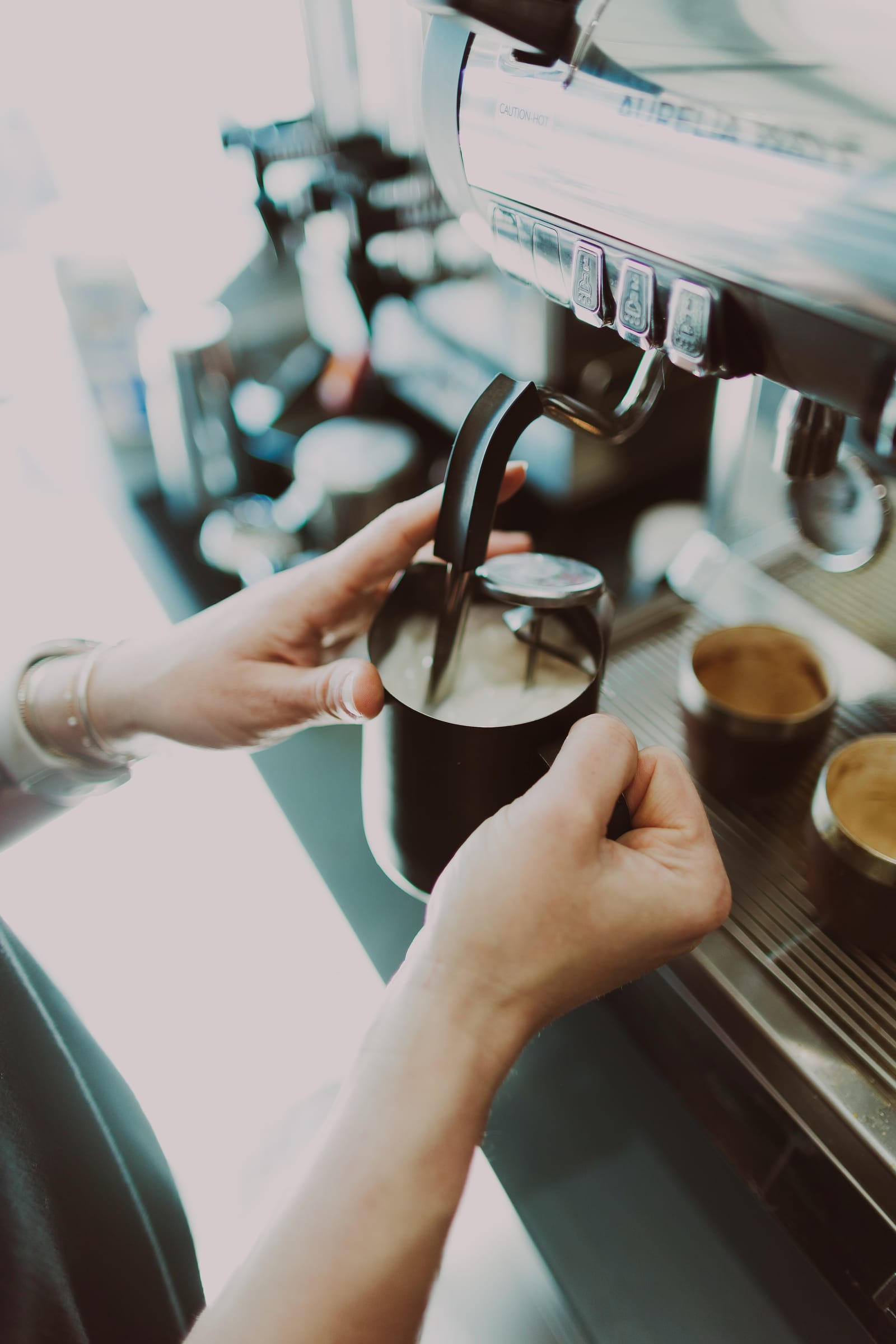
Understand the method
Espresso equipment pushes hot water through a compact bed of finely ground coffee under pressure, producing a small, concentrated beverage. Filter methods allow water to pass through a bed of grounds and a paper, cloth, or metal filter, usually producing a larger, less concentrated cup. Exact results depend on the machine or brewer, recipe, grind, water, and technique.
Concentration is not the same thing as total caffeine, strength preference, or quality. Serving size and recipe matter, so a visual comparison alone cannot answer every question. Likewise, a layer of crema does not by itself prove that a shot will taste balanced, and a clear filter cup is not automatically delicate.
Compare the daily workflow
Espresso asks for equipment capable of stable pressure and temperature, a suitably fine and consistent grinder, careful puck preparation, and regular cleaning. Small changes can be obvious in a concentrated shot. The method can be fast once dialed in, but setup and maintenance are meaningful parts of ownership.
Filter brewing often has a lower equipment barrier and offers many formats, from manual pour-over to automatic brewers. It generally makes it easy to prepare a longer drink or several servings, depending on the brewer. Manual methods reward control, while a good automatic routine can prioritize repeatability. Follow equipment instructions in either case, especially around hot water and pressurized parts.
Choose by the experience you want
Choose espresso if you value a compact, intense drink and enjoy adjusting a precise equipment-led process. Choose filter if you want a longer cup, a flexible batch size, or a slower pour ritual. Many households enjoy both rather than treating the decision as permanent.
Start with your real constraints: counter space, cleanup, time, noise, serving size, and budget. Then select coffee from current product information rather than assuming every coffee has a particular roast, origin, or intended method.